

If you have ever stared at a list of skip bin sizes and had no idea where to start, you are not alone. It is one of the most common questions we get at Vic Metro Bin Hire. Go too small and you run out of space halfway through your project. Go too big and you are paying for capacity you never use. Getting it right from the start saves you money, time, and a whole lot of hassle.
This guide covers everything you need to figure out the right skip bin size for your project, whether you are doing a quick garden tidy or managing a full demolition job in Melbourne.
What Is a Skip Bin and How Is It Measured?
Cubic Meter explained
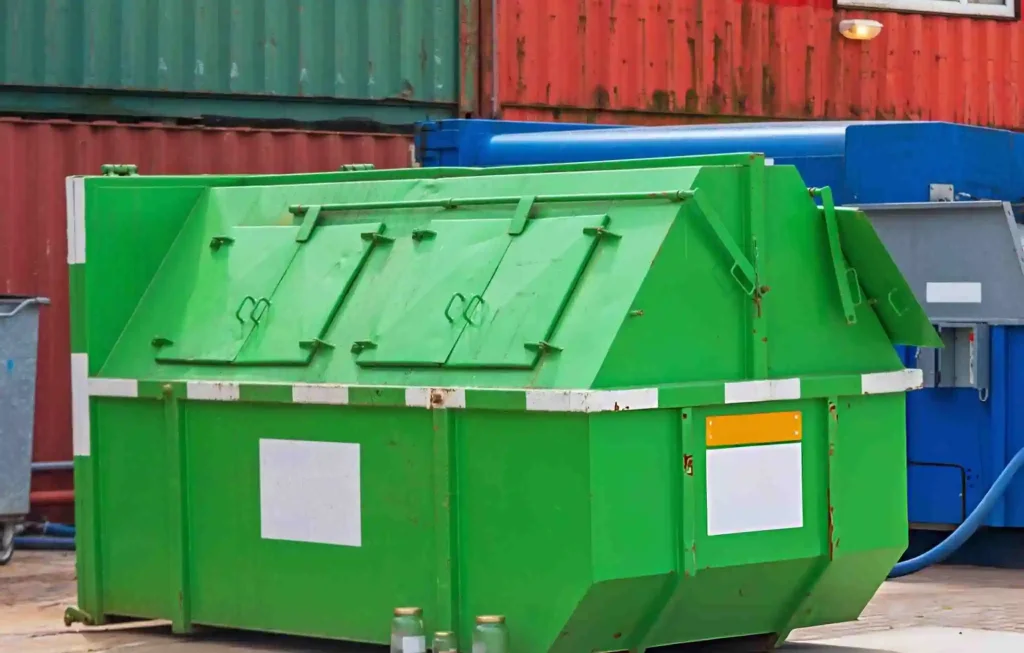
Skip bins are measured in cubic meter, written as m³. This number tells you the total volume of waste the bin can hold. A 4m³ bin holds four cubic meters of waste. A 12m³ bin holds twelve. It is straightforward once you know what the numbers mean.
At Vic Metro Bin Hire, our bins range from 4m³ up to 12m³, so we have options for everything from a weekend garage clean-out to a large commercial construction site.
Wheelie bin equivalents
Cubic meters can be hard to picture if you have never hired a skip before. Here is a simple way to think about it. One cubic meter is roughly equal to four standard household wheelie bins. So if you are looking at a 6m³ skip, that is around 24 wheelie bins worth of waste in one go. Use this comparison to get a rough feel for the size you need before you book.
How to Calculate the Skip Bin Size You Need
The volume formula (L x W x H)
For a more accurate estimate, try measuring your waste before you book. Measure the length, width, and height of your waste pile in meters, then multiply the three numbers together. A pile that is 2 meters long, 1 meter wide, and 1 meter high equals 2m³ of waste. This method works especially well for soil, rubble, or any waste that is sitting in a defined area.
The 30% packing buffer rule
Here is something most people forget. Waste never packs perfectly. Furniture, broken tiles, branches, and odd shaped items leave gaps inside the bin. As a general rule, add around 30% to your estimated volume to account for this. If your calculation gives you 6m³, go for an 8m³ bin. That extra buffer is almost always worth it and usually costs less than a second delivery.
Key Factors That Determine the Right Skip Bin Size
Amount and type of waste
The type of waste you are disposing of matters just as much as the volume. Heavy materials like soil, concrete, and bricks hit the weight limit of a bin long before they fill it visually. Light waste like garden clippings or cardboard does the opposite. It fills the bin quickly without adding much weight. Think about both the volume and the heaviness of your waste when choosing a size.
Available space and access
Before you book, have a think about where the bin is going to sit. Larger bins need more room and a wider entry point for our delivery truck. If your driveway is narrow, has a low clearance, or is blocked by trees or parked cars, a smaller bin placed near the street may work better. It is always worth checking your access before confirming your order.
Council and placement rules in Melbourne
If you need to place the bin on a public road or footpath, you will need a permit from your local Melbourne council. If the bin sits entirely on your private property such as a driveway, you generally do not need a permit. Permit requirements and fees vary between councils, so it is worth checking with yours ahead of time if road placement is on the cards.
Sizes of Skip Bins
Not sure which size fits your project? This table gives you a clear overview of our bin range, capacity, and the jobs each size suits best.
| Bin Size | Wheelie Bins | Weight Limit | Best For |
| 4m³ | ~16 | 2 to 3 tonnes | Garden clean-ups, small household jobs |
| 6m³ | ~24 | 3 to 4 tonnes | Bathroom and kitchen renovations |
| 8m³ | ~32 | 4 to 5 tonnes | Large home renovations, moving house |
| 9m³ | ~36 | 4 to 5 tonnes | Large renovations, furniture removal |
| 10m³ | ~40 | 5 to 6 tonnes | Construction and commercial projects |
| 12m³ | ~48 | 6 to 8 tonnes | Demolition and large commercial sites |
4m³: Our 4m³ bin is the go-to for smaller residential jobs. Think weekend garden maintenance, a single-room clear-out, or a minor tidy up before a property inspection. It fits easily on most standard driveways and gets the job done without taking up too much space.
6m³: The 6m³ is our most popular size for good reason. It handles the waste from most single-room renovations comfortably, including old tiles, cabinetry, plumbing fixtures, and general rubble from a bathroom or kitchen refit.
8 to 9m³: When you are tackling a bigger renovation or clearing out the entire house before a move, the 8m³ and 9m³ bins give you the room you need. These sizes are also popular for large furniture removals where multiple rooms worth of items need to go at once.
10 to 12m³: Our largest bins are built for serious volume. Construction sites, demolition projects, and commercial fit-outs produce a high amount of mixed, heavy waste. The 10m³ and 12m³ options keep your site clean and compliant throughout the job.
Choosing the Right Bin Size by Project Type
Garden and green waste
Garden waste is bulky but light, so you fill by volume more than weight. For regular maintenance like pruning and mowing, a 4m³ bin is usually plenty. For a bigger landscaping job involving soil, tree removal, or a full backyard overhaul, consider stepping up to a 6m³.
General decluttering and spring cleaning
Clearing out one or two rooms? A 4m³ bin should cover it. Clearing the whole house or a shed full of years worth of items? Go with a 6m³. If you have large furniture pieces like couches, wardrobes, or mattresses, those take up space quickly, so it is better to size up.
Bathroom, kitchen and home renovations
Bathroom renovations typically generate tiles, plaster, and old fittings. A 6m³ bin handles most of this. Kitchen renovations involve heavier waste including benchtops, cabinetry, and appliances, so an 8m³ is a safer bet. For full home extensions or multi-room jobs, a 10m³ or larger is recommended.
Construction, demolition and excavation
This is where size really matters. Construction and demolition waste is dense and high volume. Concrete, bricks, steel, and structural timber fill bins fast. A 10m³ or 12m³ bin is the right starting point, and larger projects will likely need multiple collections. We also offer excavation services at Vic Metro, so if your project involves earthmoving, we can manage both.
Commercial fit-outs and deceased estates
These jobs often involve large volumes of mixed waste cleared in a short period. A 10m³ or 12m³ bin gives you the capacity to manage a full clear-out or refurbishment without the disruption of multiple small collections.
What Can and Cannot Go in a Skip Bin?
Accepted waste types
Our bins accept most general waste including:
- General household rubbish and furniture
- Green waste such as grass, branches, leaves, and soil
- Renovation and construction debris including tiles, timber, plaster, and bricks
- Whitegoods and old appliances
- Cardboard and packaging materials
Prohibited items and how to dispose of them
Some materials cannot go into a skip bin due to safety and environmental regulations. These include asbestos, batteries, tyres, paint, chemicals, medical waste, and gas cylinders. For safe disposal of these items, contact your local council or visit the Sustainability Victoria website to find a hazardous waste drop-off point near you.

Tips for Filling Your Skip Bin the Right Way
Overfilling: safety and legal rules
This one is important. Skip bins cannot be loaded above the rim of the bin. An overfilled bin becomes a hazard during transport and is not legally permitted on public roads. Our drivers will not collect a bin that has been overfilled. If you find yourself running out of space, give us a call and we can arrange a swap or an additional bin.
When to size up
If you are sitting between two sizes, always go with the larger one. The cost difference between adjacent sizes is usually small. Paying for a second delivery, on the other hand, costs significantly more and slows down your project. Sizing up from the start is almost always the smarter move.
How to Hire a Skip Bin in Melbourne with Vic Metro
Hiring a skip bin with us takes just a few minutes. You can use our online booking form or call us directly. We offer same-day delivery across Melbourne for orders placed before 11am. Once your hire period is up, we collect the bin and take care of all waste disposal. We recycle more than 90% of everything we collect, keeping as much as possible out of landfill.
Frequently Asked Questions
What is the most common bin size in Melbourne?
Our 6m³ bin is the most popular choice for residential customers. It suits most single room renovations, household clean-outs, and general decluttering jobs.
Do I need a council permit for a skip bin in Melbourne?
You only need a permit if the bin will be placed on a public road or footpath. If it sits on your private driveway or property, no permit is required in most cases. We recommend confirming with your local council if you are unsure.
Can I mix different types of waste in one bin?
Yes, most general waste can be mixed together in a single bin. The only exception is prohibited materials such as asbestos, chemicals, and tyres, which must never go into a skip bin regardless of what else is in it.
How much does skip bin hire cost?
Pricing varies based on bin size, hire duration, and your location. Get in touch with our team or use our online booking form for a fast, no-obligation quote tailored to your project.
Can I get same-day delivery?
Yes. We offer same-day delivery across Melbourne for bookings made before 11am, subject to availability. Call us to confirm your suburb.
What happens to my waste after collection?
After collection, all waste goes to our transfer station where it is sorted and processed. We recycle more than 90% of the materials we collect. Our goal is to keep as much as possible out of landfill and handle waste as responsibly as we can.
